
Dear Reader… I would be remiss if the brutality that happened in the Colosseum is not recognized. Thousands of innocent lives, both human and animal, were ended in these arena walls. Remembering the lives of the lost is appropriate and respectful. This post aims to bring the historical aspects of this era alive and give a nod to the ‘gentler side’ of the original Gladiator film.
My fascination with the ancient history began while taking Susie Stewart’s Ancient Medieval Civilization class as a junior at Fayetteville High School in northwest Arkansas. This was back in 1987, and there were no personal laptop computers, cell phones, or other fancy technological teaching devices. Mrs. Stewart read from her prepared notes from behind a wooden podium, in front of the classroom, while her students wrote furiously on lined paper to keep up with the interesting information shared. Using crumbly white chalk, she outlined important topics on the green chalkboard, and showed her students real maps of the ancient world. Handwriting all these notes and physically tracing over the maps, imprinted this era of history permanently in my mind.
Ancient Egypt and Mesopotamia were covered first, and as a 17 year old girl, I became enamored with this captivating time in our world’s history. Pauline Gedge’s 1977 novel Child of the Morning, an historical fiction account of the Egyptian Queen Hatshepsut, was part of the required reading for the class. This novel became one of my favorite books and opened my imagination to a broader world experience. Mrs. Stewart’s passion for teaching inspired me to major in history and become a teacher. (See tuned for another blog post on Ancient Egypt).
Fast forward to May 1993, and I’ve graduate from college and my college roommate Wendy and me hatch a plan to tour Europe for six weeks. With backpacks and roller suitcases, we traveled through Europe the old fashioned way. This was before the surge of internet travel and long lines to see sites. We had the grace of time to really feel these ancient places.

For the sake of time in publishing this blog before the opening of Gladiator II to the wider public, I’ve collected my favorite pictures from the first film and presented them below. I’ll add more commentary at a later date.
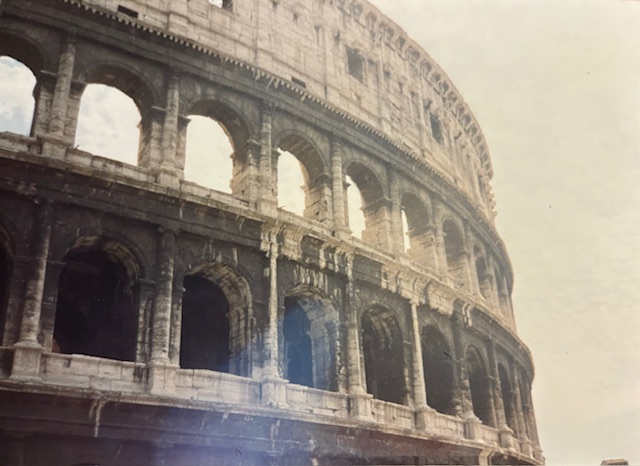
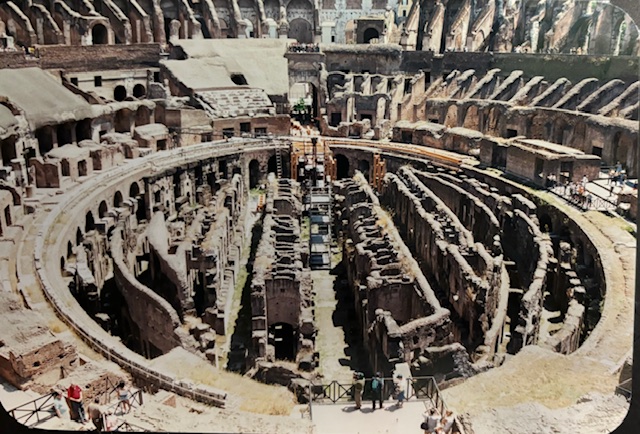


In July 2000, my husband Lance and I traveled to Italy during the Jubilaum 2000 year for the Catholic Church. We explored Rome and the surrounding towns with our friends Chuck and Leann Somborn. Traveling with friends made it more fun! We visited many of the sites I had seen in 1993, and the recurring thought I had was “what did this place used to look like?” “How did the people of this time period dress?” “What did they do all day?” “What did the eat and how was it prepared?”…


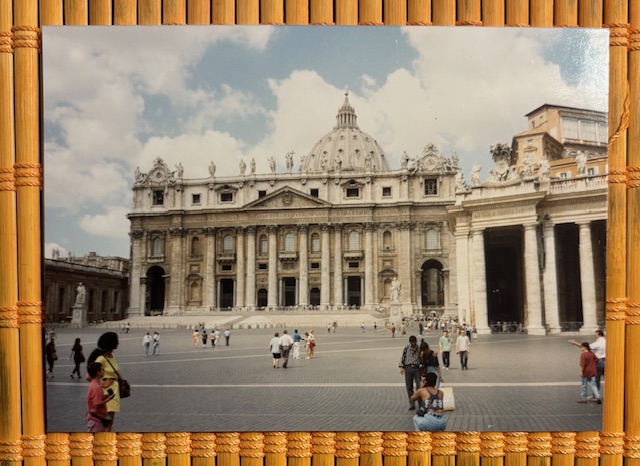
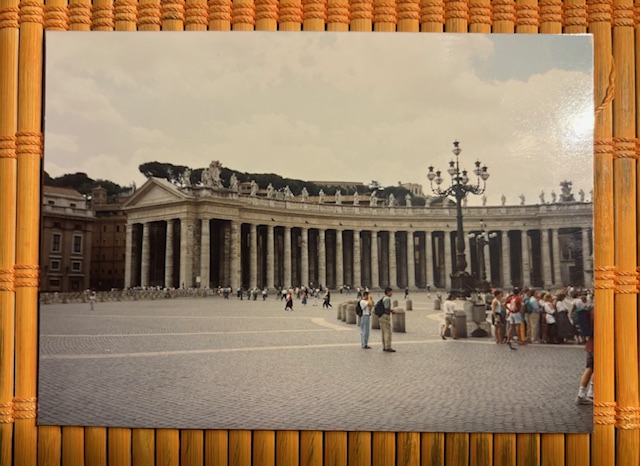


The story really begins with the Roman Emperor Marcus Aurelius, who ruled Rome from 161–180 AD, and his book Meditations. I had read some of this book and was intrigued with Aurelius’ stoic and disciplined lifestyle. (I will return to his life and times in a later post.)
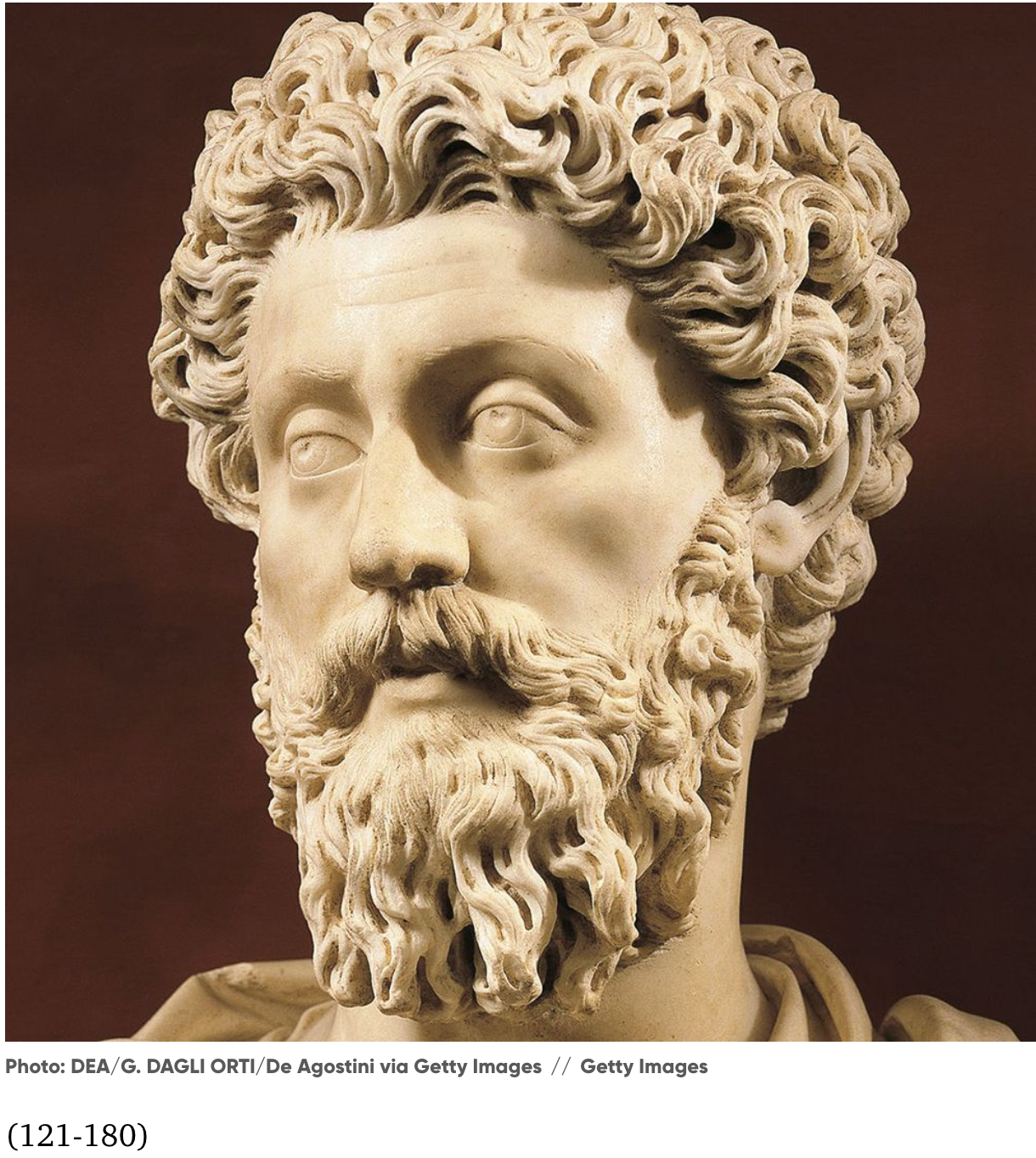

Below are significant components of the film, beginning with its creative genius Ridley Scott. Gladiator fans will recognize these iconic film images and new viewers to the epic are introduced to main characters and meaningful symbols that have resonated with fans over the last 24 years.

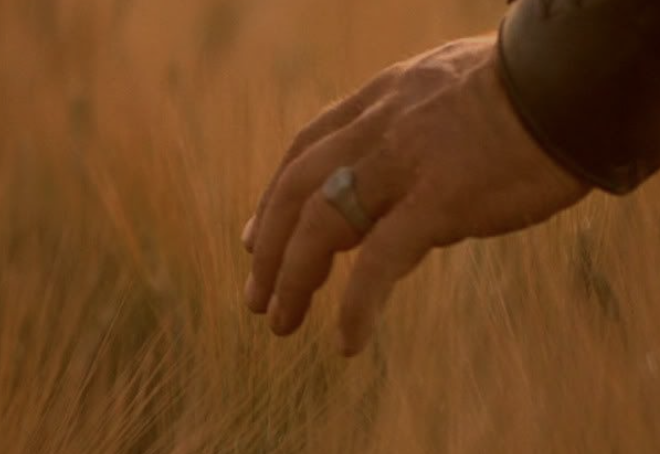
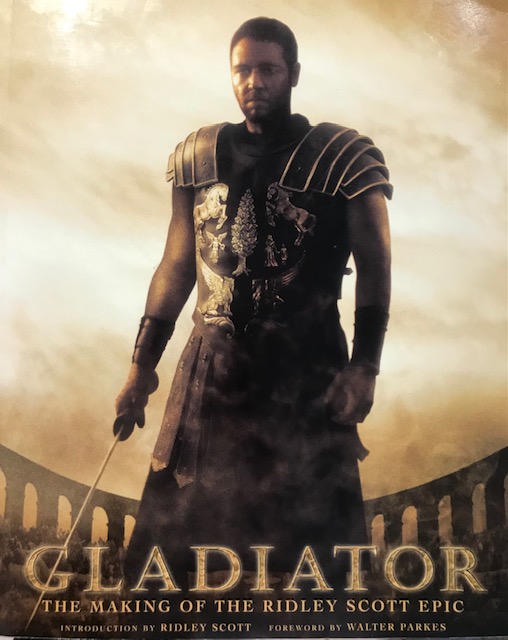
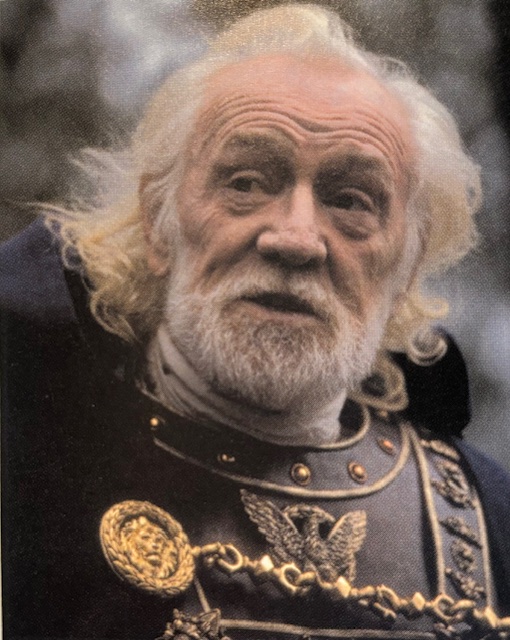


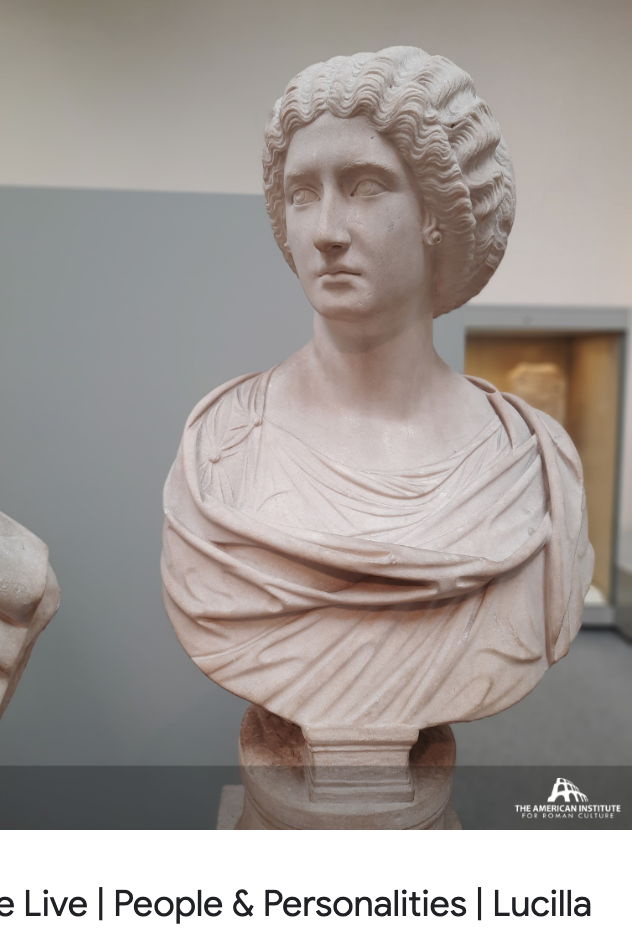

Connie Nielsen Instagram, Connie Nielsen on returning to “Gladiator” and reuniting with Ridley Scott
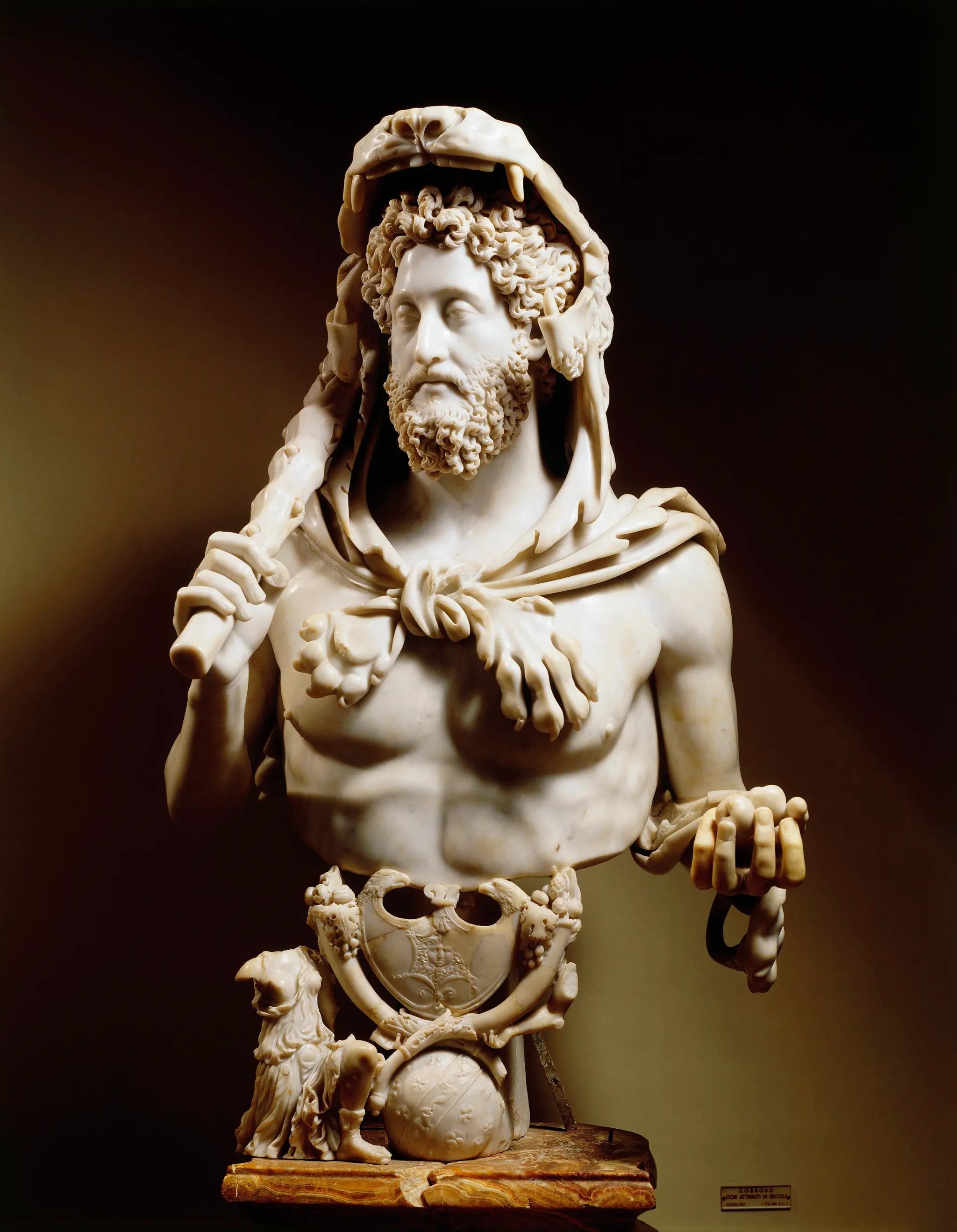


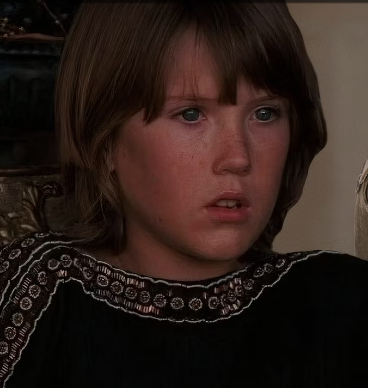


Gladiator is filled with memorable character dialog that movie goers have resonated with over the last 24 years. The strong dialog from the battle and fight scenes are most likely remembered, such as “At my command, unleash hell”, “Are you not entertained? Are you not entertained? Is this not why you are here?” and the unforgettable “My name is Maximus Decimus Meridius, commander of the army of the North, General of the Felix Legions and loyal servant to the TRUE emperor, Marcus Aurelius. Father to a murdered son, husband to a murdered wife. And I will have my vengeance in this life or the next.” But there ‘quiet dialog’ is just as meaningful. Check out the IMDb.com for more Gladiator quotes.
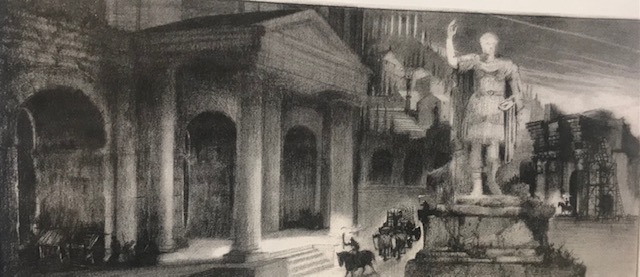


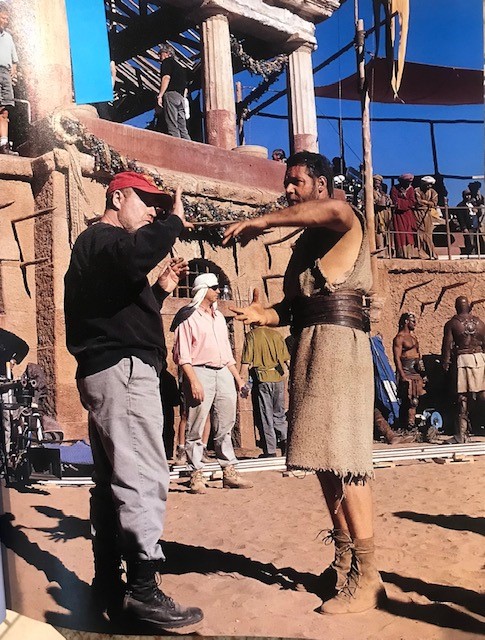
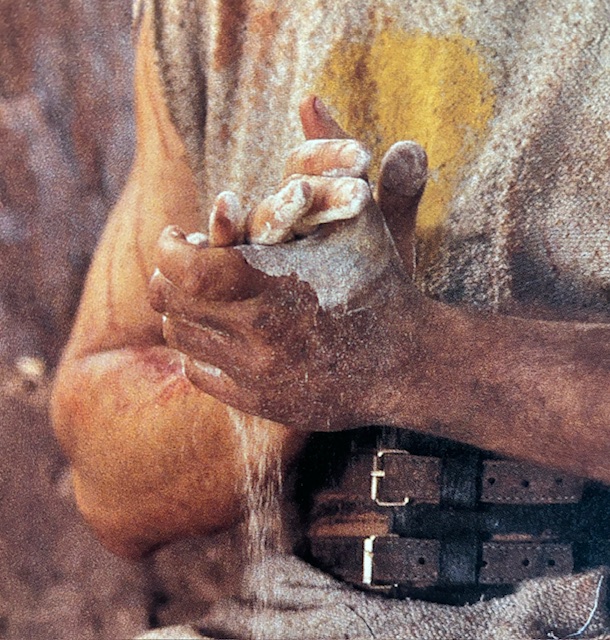

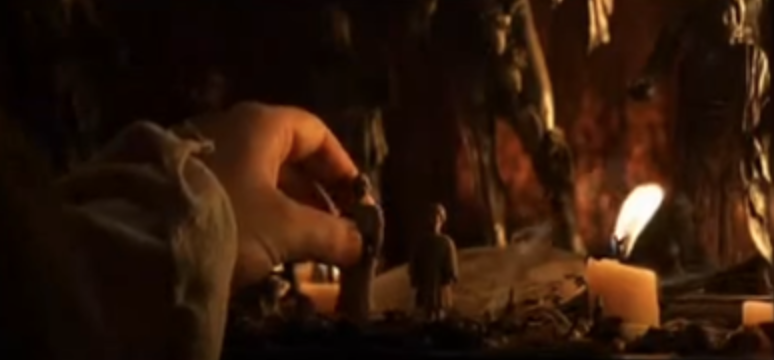
Many viewers of this genre of film are drawn to the fight and battle scenes. To be honest, my favorite scenes were the quiet, emotional parts when the inner working of the characters are revealed in subtle ways. The wheat field, the Roman stone wall Maximus envisions walking through, the candle lit moments with his ancestor figurines, and the quiet conversations Maximus, Juba and friends share throughout the film really draw the viewer in and balance the absolute brutality shown in most of the plot.


Hans Zimmer – making of GLADIATOR Soundtrack 1/3
Check out Hans Zimmer News here to view all of his musical projects

Interview with Lisa Gerrard,–Synchrorotones’ Soundtrack Reviews


While mostly met with positive acclaim, the original Gladiator film also has been criticized as not being historically correct. But hey… this is historical FICTION, and the creators have been transparent about this fact. Below are some video links that address this concern:
Gladiator experience coming to Roman Colosseum, critics are ‘not entertained’
Gladiator: How Historically Accurate is it? | Deep Dives | Deep Dives
My personal experiences of traveling through Italy and the synchronicity of the Gladiator film have had a profound impact on how I view history and culture over the past 30 years. I am grateful to the enormous talent of Ridley Scott & crew and all the actors/actresses who brought this meaningful story into our modern culture. I am excited to see Gladiator II this Friday 22 November 2024!!
Dear Reader, what are your favorite characters, scenes, and/or takeaways from the first Gladiator film?
Sarah Heinzelmann Andersen
Works Cited
Gladiator. Directed by Ridley Scott, performances by Russell Crowe, Richard Harris, Djimon Hounsou, Derek Jacobi, Connie Nielsen, Joaquin Phoenix, Oliver Reed, et. al., DreamWorks, 2000.
Gladiator–The Making of the Ridley Scott Epic. Edited by Diana Landau, Newmarket Press, 2000.
Heinzelmann-Andersen, Sarah. Personal Photos. Rome, Italy. 1993 and 2000.
Wilkinson-Smith, Wendy. Personal Photos. Rome, Italy. 1993.
(Note: The WordPress platform does not place the Works Cited sources in hanging indents.)


 SeekBalanceSea
love your passion for this period, and this piece Sarah! Photos are wonderful too! I love this period as well and am looking forward to Gladiator II also!!
Debbie
LikeLiked by 1 person
Thanks for reading!
LikeLike